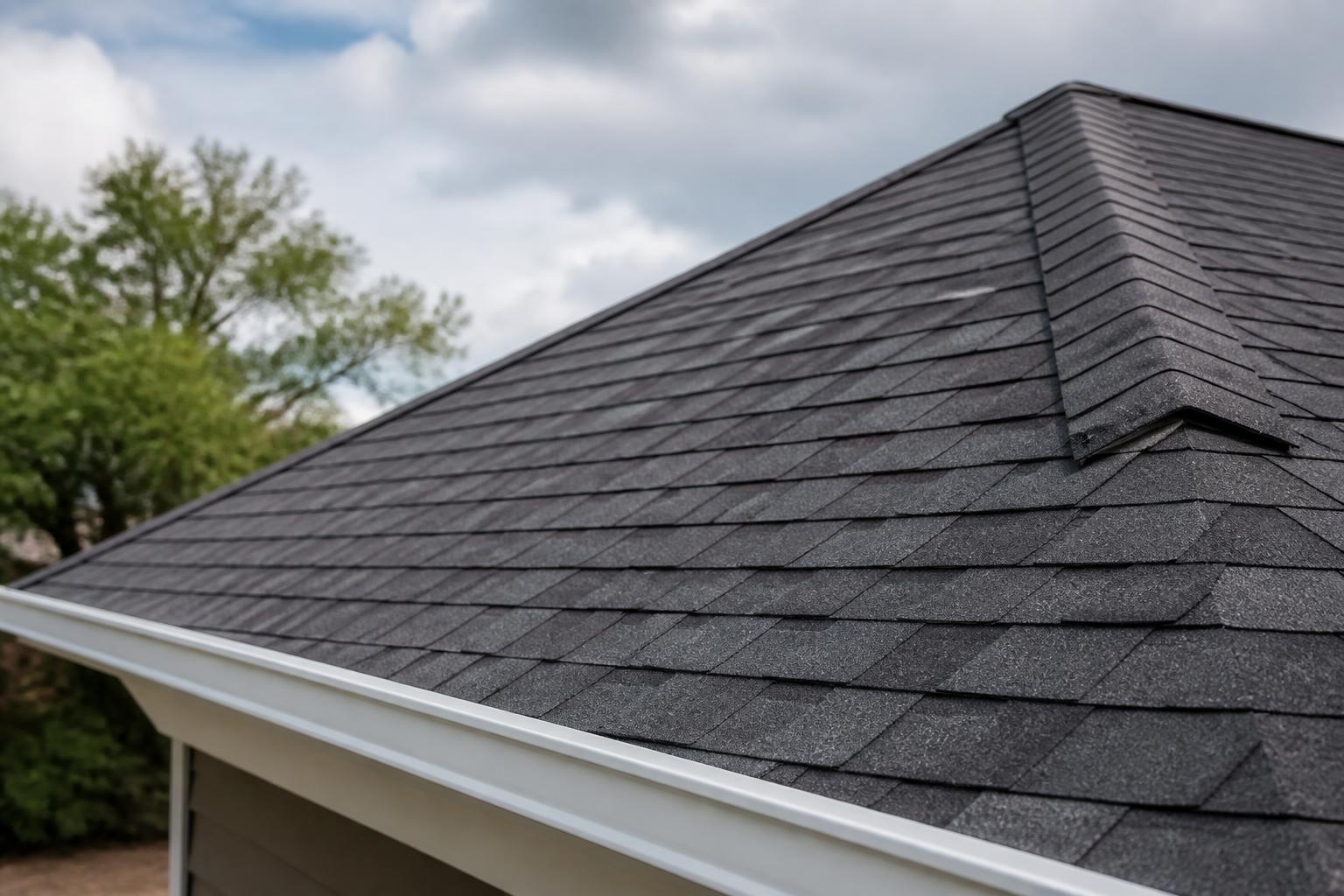
When a storm leaves shingles shifted, tiles cracked, or a new leak stain on the ceiling, it is hard to know what to do first. Small damage can spread fast, especially when water starts finding its way under roof materials or into exposed seams.
RC Roofing Inc. helps property owners across San Diego, CA respond with clear roof inspections, targeted repairs, and straightforward recommendations for the next step. If your roof took a hit from wind or heavy rain, we can assess the damage and restore the areas that need attention before they turn into larger problems.
Some roof problems show up right away, while others stay hidden until the next rain. After storm conditions, it helps to look for changes that are easy to miss from the ground but serious enough to warrant a closer look.
If you notice one or more of these signs, the roof may need more than a quick patch. A careful inspection can show whether the damage is isolated or part of a wider issue across the roof surface.
Storm damage is not always obvious from one spot. A leak near one room may come from damage farther upslope, which is why we look at the roof as a system rather than only where water appears indoors. RC Roofing Inc. reviews the affected areas, checks for likely entry points, and identifies the repairs that make sense for the condition of the roof.
We look for broken, loose, or missing sections that expose underlayment or decking to water intrusion.
Wind and driving rain can shift flashing at roof intersections, vents, chimneys, and other vulnerable areas.
On flat roofing, storm damage often appears at seams, transitions, or low spots where water may collect.
Ceiling marks, bubbling paint, and damp insulation can help trace where water may have entered after the storm.
The right repair depends on the roof type, the extent of the damage, and how much of the surrounding area has been affected. We focus on solutions that address the source of the problem, not just the visible symptom.
Damaged shingles or tiles may be replaced when the rest of the roof remains sound. Matching the surrounding materials matters so the repair blends with the existing roof as closely as possible.
When water has entered through a specific opening, we trace that path and repair the area that allowed it through. This may involve roof surface work, flashing adjustments, or sealing around vulnerable points.
Storm-related wear on flat roofs often requires attention at seams, edges, and punctured sections. We repair the affected area and address nearby weak points that could invite repeat leaks.
If damage is spread across a larger area, replacing a section may be the practical route. That can help restore coverage without waiting for smaller problems to multiply.
Different roofing systems respond to storms in different ways. The repair approach needs to match the material, slope, and condition of the roof so the finished work fits the structure.
Shingles may lift, tear, or lose granules after wind and rain exposure. Repairs often center on replacing compromised sections and checking the surrounding rows for loosened tabs.
Tile roofs can crack or shift under impact, leaving openings that are easy to overlook. We look for broken pieces, displaced underlayment exposure, and surrounding tiles that may have moved out of place.
Flat roofs often show damage through membrane wear, seam separation, or ponding-related weakness made worse by storm conditions. These roofs need careful attention to edges and transitions.
After you reach out, we schedule a time to inspect the roof and review what the storm left behind. The goal is to give you a clear picture of the damage, the repair path, and what should happen next.
You share what you have noticed, whether that is a visible roof issue, an interior leak mark, or both.
We examine the affected areas and look for signs of hidden damage that may not show from inside the home.
We explain what we found and which repairs are needed to address the storm-related problems.
Once the scope is set, we complete the needed roof repairs with attention to the surrounding materials and weak points.
RC Roofing Inc. keeps the process straightforward so you are not left guessing about what was damaged or what should be repaired first.
Some storm damage seems minor at first, but waiting can allow water to keep entering the roof system. Even a small opening can affect insulation, decking, and interior finishes if the next rain finds the same path.
It is smart to act sooner when you see:
Addressing the damage early can help limit the repair scope and reduce the chance of interior water intrusion.
Storm damage repair needs to account for the roof already on the property, not a one-size approach. In San Diego, CA, many homes and businesses use shingle, tile, or flat roofing, and each one calls for different repair methods and material handling.
RC Roofing Inc. works with residential and commercial properties throughout San Diego County, including San Diego, Chula Vista, National City, La Mesa, El Cajon, Santee, Poway, Escondido, and Encinitas. Whether the issue is a small leak repair or a larger storm-related section replacement, the repair should fit the structure and the roof type without creating extra problems down the line.
Look for signs that follow rainfall or wind, such as ceiling stains, loose roof materials, or debris near specific roof sections. An inspection can help confirm whether the roof is the source.
Yes. A leak visible inside the home may come from a much wider area on the roof, especially if flashing, seams, or underlayment were affected.
That still deserves attention. Wind and impact can affect a single slope or roof edge while leaving the rest of the roof looking unchanged.
No. Shingles often lift or tear, while tile roofs are more likely to crack or shift. The repair method needs to match the roof material.
If it is safe to do so, look for damp insulation, water marks, or active dripping. Those clues can help identify where roof damage may be present.
Tell us what you saw, when the storm passed through, and whether you noticed leaks, stains, or missing materials. That information helps guide the inspection.
If your roof was damaged by wind, rain, or impact, prompt repairs can help protect the structure and the space below it. RC Roofing Inc. offers storm damage repair for homes and businesses across San Diego, CA, with clear estimates and practical next steps.
Call +18582748920 during business hours to request a free, no-hassle estimate. Our office is located at 8360 Clairemont Mesa Blvd STE 105, San Diego, CA 92111, and we are available Monday through Friday from 8:00 AM to 5:00 PM, Saturday from 9:00 AM to 12:00 PM.
Start Here
Tell us about your roof, the issue you are seeing, or the type of project you are planning. We will help you understand the next step and provide a straightforward estimate for the work needed.