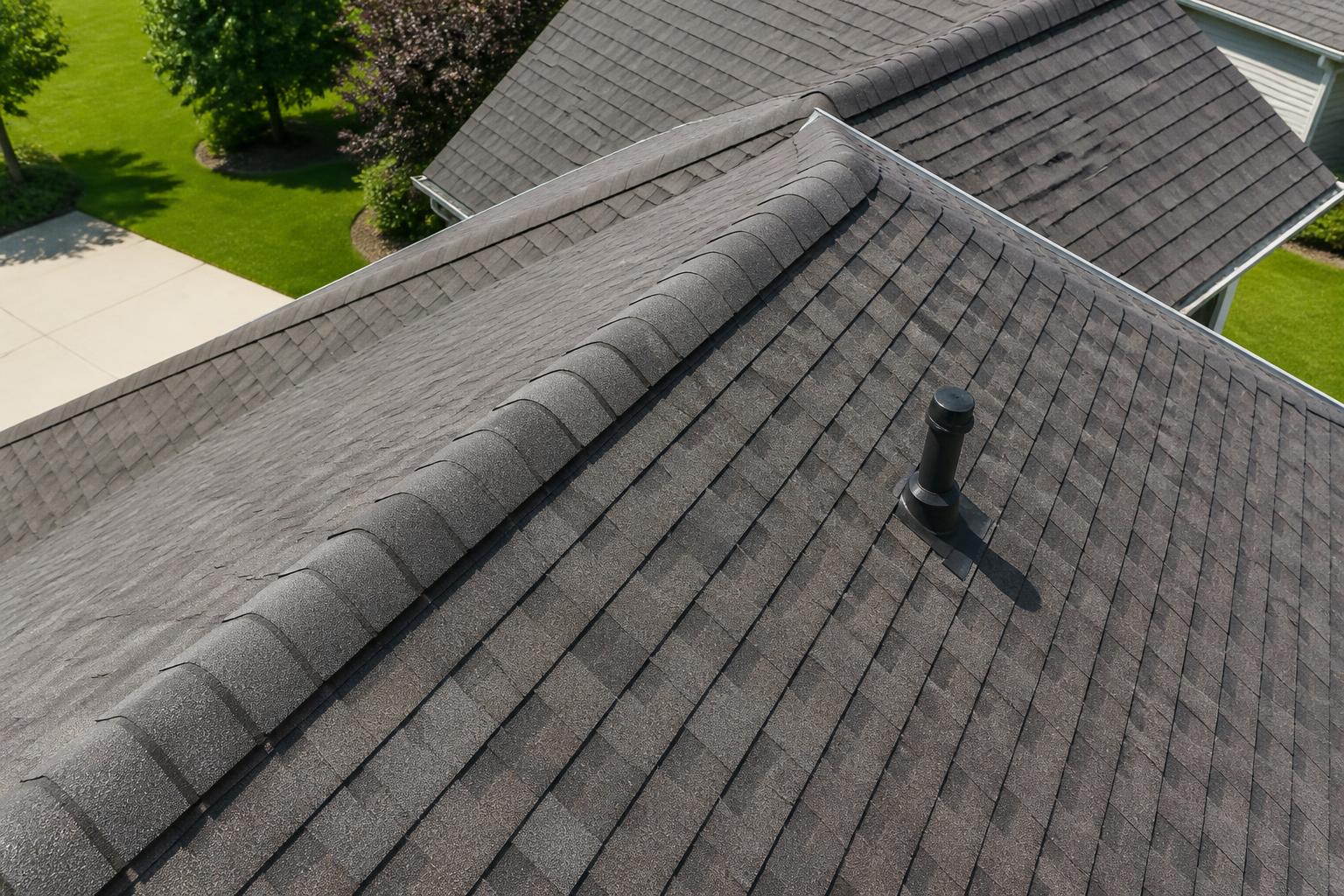
A roof can look fine from the street and still hide loose flashing, worn shingles, or small leak points that are easy to miss. If you have noticed water stains, missing pieces, sagging areas, or debris collecting where it should not, a roof inspection can help you find out what is going on before the damage spreads.
RC Roofing Inc. provides roof inspection services for homes and businesses across San Diego, CA. We look for visible wear, leak signs, surface damage, and areas that may need repair or closer attention, then give you a clear next step so you can decide what to do with confidence.
A good inspection is more than a quick glance. We examine the roof surface, edges, penetrations, and drainage points to find signs of wear that can point to current or future trouble. The goal is to identify problems while they are still manageable.
During a typical roof inspection, we may check for:
We keep the process straightforward so you understand what was found and what it means for your roof.
Roof issues often start with clues that seem small at first. A stain on the ceiling, a damp smell, or a few shingles out of place can be enough reason to have the roof checked. If you are planning to sell a property, buy a property, or begin a roofing project, an inspection can also help you make decisions with better information.
Look for changes that suggest the roof needs attention.
Ceiling stains or discoloration may point to a leak above.
Shingles that curl, crack, or go missing can leave exposed areas behind.
A stale or musty smell can signal moisture where it should not be.
If debris, branches, or heavy weather have affected the roof, a checkup can show what was harmed.
Different roofing systems show wear in different ways, so the inspection needs to match the material and design. RC Roofing Inc. works with the common roofing types used throughout San Diego, CA, including systems that need a careful look at seams, edges, and surface condition.
We check for lifting tabs, cracked surfaces, loss of granules, and exposed spots that may let water reach the layers below.
Tile systems may show broken pieces, slipped sections, or weak spots around underlayment and flashing.
Flat roofing often needs close attention to seams, low areas, drainage paths, and signs of standing water.
Each system has its own weak points, and a careful inspection can help you understand which areas deserve the most attention.
When you call RC Roofing Inc., we schedule a time that works for your property and the type of roof you have. The inspection is designed to be clear and efficient, with practical feedback at the end.
We begin by learning what you have noticed, such as a leak mark, a damaged area, or a recent change in the roof.
We inspect visible problem areas and look over the roof for signs of wear, damage, and leak risk.
We explain what we found, what looks urgent, and what can be watched over time.
If repairs or replacement are needed, we help you understand the available path forward.
This approach keeps the inspection useful, not confusing. You get direct information without having to sort through guesswork.
A roof leak does not always show up as an obvious drip. Water can move through layers and appear far from the actual entry point, which is why a careful inspection matters. We look for clues that help trace where moisture may be entering and how far it may have traveled.
Inside the property, signs may include stains, peeling paint, bubbling drywall, or damp areas near ceilings and upper walls. These clues can point to a roof issue even when the roof surface looks quiet from below.
Outside the roof, we watch for damaged flashing, worn seal areas, open seams, and areas where water may be collecting or backing up. Small openings can become larger problems if they are left alone.
A thorough inspection helps connect the outside condition with the inside symptoms so the source is easier to understand.
When a roof has been through heavy rain, strong wind, or other rough weather, a checkup can reveal damage that is not easy to spot from the ground. Even a few lifted shingles or a shifted tile can create an entry point for water later.
Storm-related inspection is useful when you want to know whether the roof simply needs minor repair or whether the affected areas are more widespread. We look for broken surfaces, displaced material, and weak points around edges and details that often take the most wear.
If you are comparing options after roof damage, a clear inspection report can make the next decision much easier.
Homeowners and property managers often want one thing from a roof inspection: a clear answer. Not a guess, not a vague warning, but a practical explanation of what was found and what should happen next.
After the inspection, you can expect information such as:
RC Roofing Inc. focuses on straightforward communication so you can make a decision without extra confusion.
Many property owners wait because they are not sure what counts as a roofing concern. The following questions come up often during inspection calls, and the answers can help you decide whether it is time to have the roof checked.
One stain can still point to a leak path above it. Even a small spot is worth checking if it changes, spreads, or appears again after rain.
Yes. Flat roofs can show wear through ponding, seam issues, and surface damage rather than missing shingles or tiles.
Yes. An inspection can show whether the roof has localized damage or broader wear that may make replacement a better conversation.
Yes, if debris has struck the roof or left visible marks. Impact can damage surfaces even when the issue is not obvious right away.
Roof inspection is useful for owners and managers who want a clear look at roof condition before planning repairs or future work.
We explain the visible clues, likely entry points, and the areas that should receive attention so you can understand the reasoning behind the findings.
If your roof has started to show signs of wear, moisture, or damage, do not wait for the problem to become harder to manage. A timely inspection can give you a clearer picture of the roof condition and help you decide whether repair, replacement, or monitoring makes the most sense.
For roof inspection service in San Diego, CA, contact RC Roofing Inc. at +18582748920. We are located at 8360 Clairemont Mesa Blvd STE 105, San Diego, CA 92111, USA, and we welcome calls during business hours for a free, no-hassle estimate.
Start Here
Tell us about your roof, the issue you are seeing, or the type of project you are planning. We will help you understand the next step and provide a straightforward estimate for the work needed.