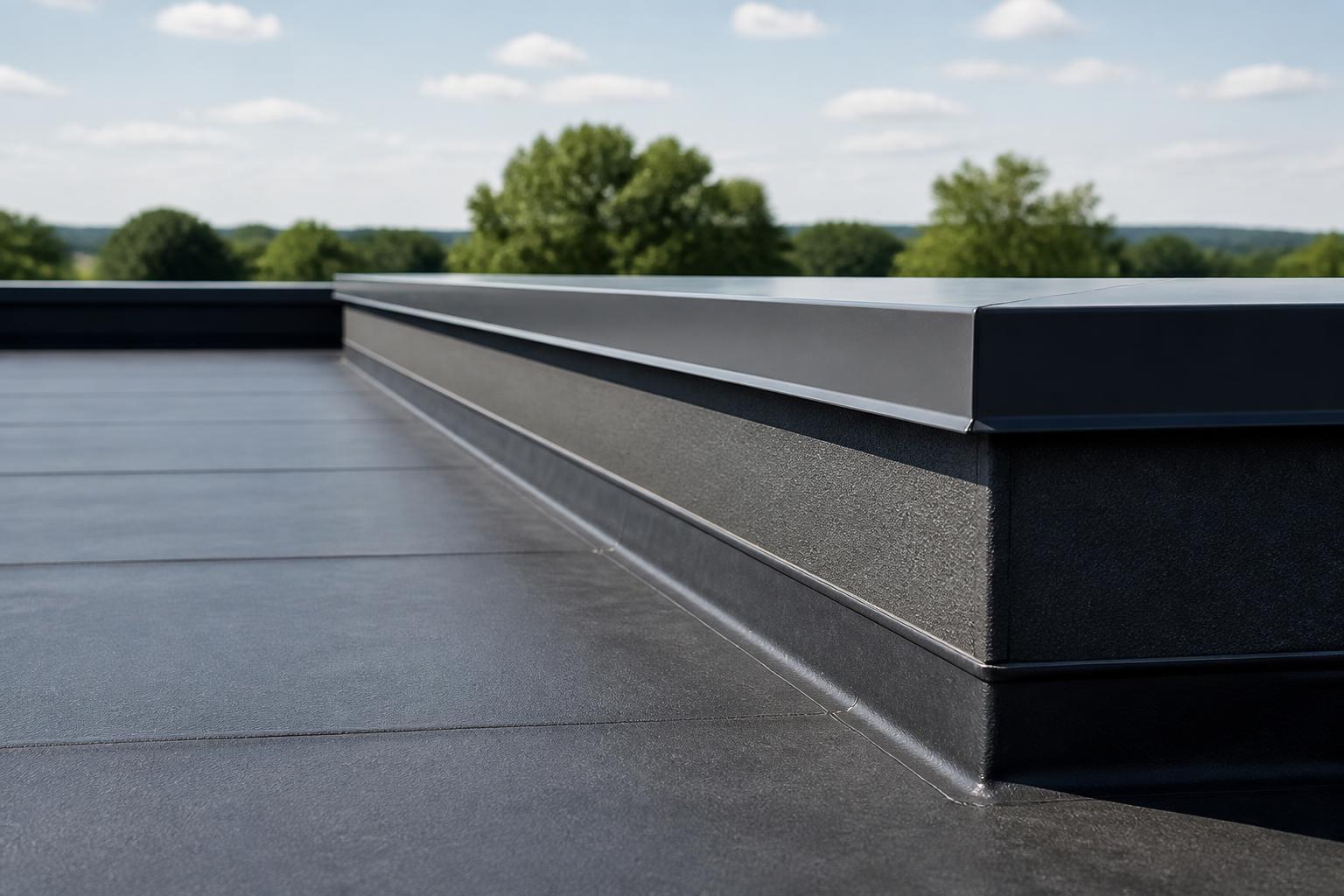
When a flat roof starts showing stains, blistering, pooling water, or soft spots, the problem usually grows quietly before it becomes obvious. Small leaks can show up on ceilings, around edges, or near rooftop equipment long before a homeowner sees the source.
RC Roofing Inc. helps property owners across San Diego, CA address flat roofing concerns with repairs, replacements, inspections, leak detection, and ongoing roof care. If your roof has a new drip, repeated ponding, or wear that keeps coming back, we can help you understand what is happening and what needs to happen next.
Flat roofing has different stress points than pitched roofing. Water moves more slowly, seams matter more, and even a small weak area can create a larger problem over time. That is why flat roof issues often show up as surface changes before they turn into active leaks.
Common warning signs include:
RC Roofing Inc. looks at both the visible roof surface and the underlying conditions that may be contributing to the issue, so you get a clearer picture of the repair path.
Not every flat roof problem calls for a full replacement. Some roofs need a targeted repair, while others have reached a point where patching only delays the larger issue. The right path depends on the extent of wear, the age of the system, and how many trouble areas are already present.
For flat roofing at San Diego properties, we help weigh the condition of the current roof against the needs of the building, so the next step is based on what the roof is showing now, not guesswork.
A flat roof inspection should do more than glance at the surface. A careful review helps uncover the source of leaks, identify weak spots, and show whether the roof is nearing the end of its useful life or still has solid service ahead.
That kind of inspection is useful whether you are dealing with a specific leak or just want a clear assessment before a bigger problem starts. RC Roofing Inc. provides inspection-based recommendations that are practical and easy to act on.
Flat roof leaks can travel before they show up indoors, which makes the visible drip only part of the story. The source may be several feet away from the stain, especially when water moves along the roof layers or framing.
Leaks often appear near seams, penetrations, parapet edges, drains, or areas that have been patched more than once. Rooftop equipment and areas with repeated standing water also deserve close attention because they take more wear.
We trace the path of water from the symptom back toward the source, looking at surface conditions, transitions, and weak points that match the pattern of the leak. This approach helps avoid unnecessary work and gets the repair aimed at the actual problem area.
When the source is identified, the next step may be a repair, a seal-up at a seam or edge, or a more complete correction depending on how extensive the damage is.
Flat roofing systems can vary, and the material choice affects how the roof performs, how it is serviced, and how it responds to wear. San Diego buildings may use different flat roof types depending on the structure and the intended use of the property.
We work with common flat roofing styles and help property owners understand how each one behaves over time. That includes the roof surface, the seams, and the areas where the system meets other parts of the building.
If you are unsure what type of flat roof you have, RC Roofing Inc. can review the existing system and explain what that means for repairs, replacement, and long-term care.
When a flat roof has too many problem areas to justify repeated patching, replacement becomes the more direct solution. A new roof gives the building a fresh system instead of layering more fixes onto a worn surface.
Replacement planning usually considers:
Our role is to help you understand the condition of the existing roof and what a replacement would involve, so you can make a confident decision for your property in San Diego, CA.
Flat roofs benefit from regular attention because small issues are easier to handle before they spread. Maintenance is especially useful after repair work, after a roof ages, or when a property has seen repeated moisture concerns.
Simple roof care can help with:
RC Roofing Inc. can support flat roof maintenance as part of a broader roofing plan, giving you a clearer sense of what condition the roof is really in from season to season.
When you call about flat roofing, the goal is to make the process straightforward. We start by learning what you have noticed, then review the roof and determine the most sensible next step.
Whether the roof serves a home or a commercial property, the process stays focused on the condition of the flat roof and the next practical step.
Fresh ceiling stains, dripping sounds, damp insulation, or visible water after rainfall can all point to an active leak. Even if the drip seems small, the roof may have a larger opening above it.
Yes. One weak seam or damaged section may be the main source, but a roof with broad wear can have several leak paths at the same time.
Ponding usually happens when water collects in a low area and does not move away quickly. It can be caused by drainage issues, aging materials, or roof sections that have shifted over time.
No. Some leaks are tied to a specific seam, puncture, or edge area and can be repaired. Replacement becomes more likely when the damage is widespread or the roof has repeated failures.
Blistering can develop when moisture or air becomes trapped beneath the surface. It often shows that the roof material is under stress or has started to break down.
Note where you saw the leak, when it showed up, and whether it happens after rain or at other times. That information helps us focus the inspection and narrow down the source faster.
If your flat roof is showing signs of wear, moisture, or repeated repair needs, RC Roofing Inc. can help you sort out the condition and next steps. We serve San Diego, CA with flat roofing repairs, inspections, leak detection, replacement, and roof care designed for real property needs.
Call +18582748920 to request a free, no-hassle estimate during business hours. Our office is located at 8360 Clairemont Mesa Blvd STE 105, San Diego, CA 92111.
Start Here
Tell us about your roof, the issue you are seeing, or the type of project you are planning. We will help you understand the next step and provide a straightforward estimate for the work needed.