Water stains on a ceiling, a damp spot near a wall, or a roof that starts to drip after a storm can turn a normal day into a headache fast. If you are seeing a musty smell, bubbling paint, or dark marks that keep spreading, the leak may be coming from higher up than you think.
RC Roofing Inc. helps homeowners and businesses across San Diego, CA track down roof leaks before they lead to bigger repair needs. We look for the source, explain what we find, and help you understand the next repair step without guesswork.
Not every roof leak shows up as a steady drip. Some start small and show only a faint sign at first, then become harder to ignore after a change in weather or a few more days of wear. The sooner you pay attention to the clues, the easier it is to limit damage.
If any of these signs show up, the next step is to identify where water is entering, not just where it appears inside. That difference matters because water can travel before it becomes visible.
A roof leak rarely follows a straight line. Water can move along underlayment, decking, rafters, insulation, or framing before it shows up on drywall or trim. That is why the stain on your ceiling is often not the exact point of entry.
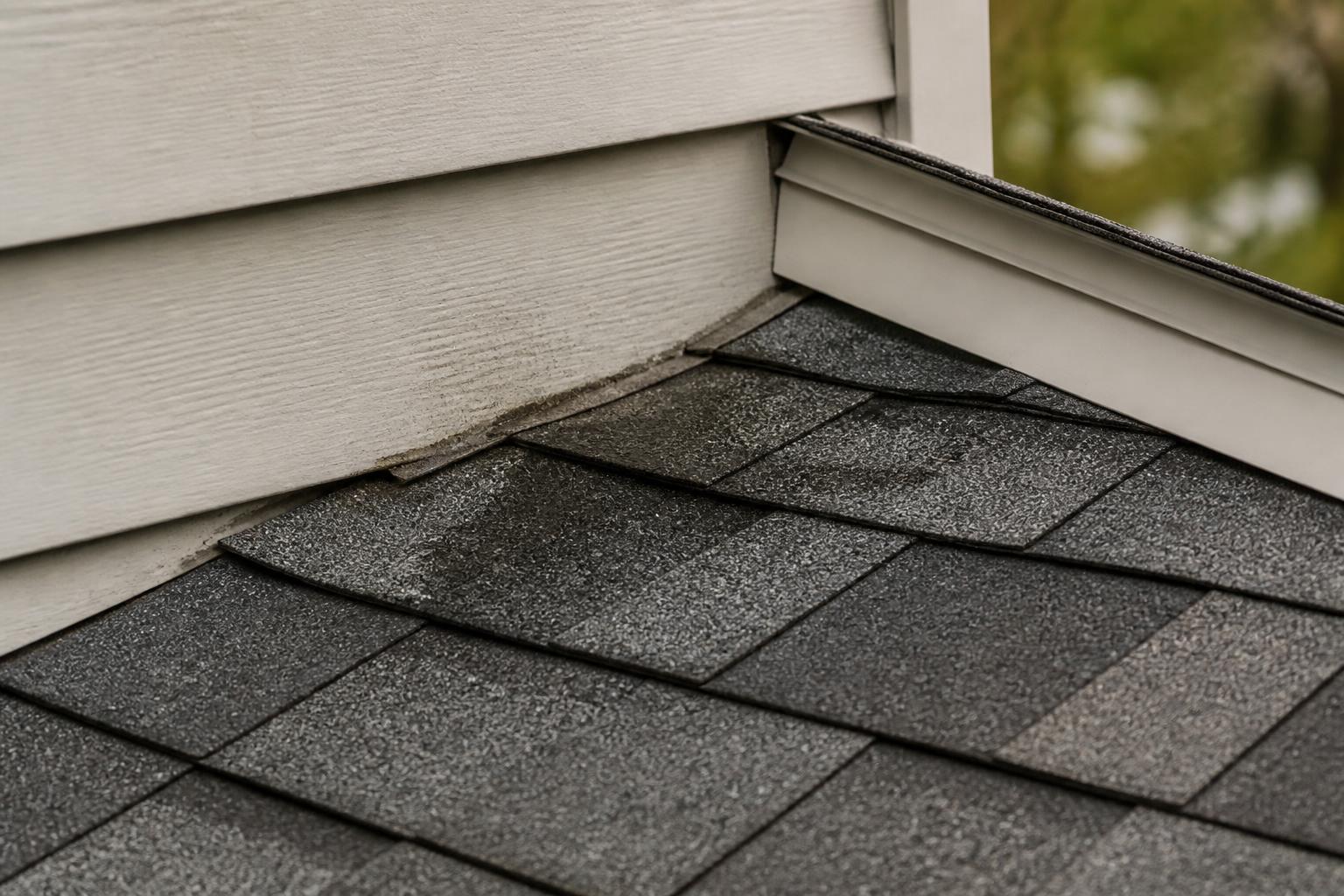
During leak detection, we look at the full path water may take. A small opening at a shingle edge, a cracked tile, a worn seal around a roof penetration, or a flashing gap can send water to a spot far from the real source. In some cases, the first visible damage appears several feet away from where the roof has been compromised.
These are some of the areas that often need a closer look:
Finding the path matters because a patch placed at the wrong spot can leave the actual problem untouched.
RC Roofing Inc. uses a methodical approach to trace leaks rather than making assumptions based only on where water is visible indoors. We inspect the roof surface, nearby details, and any areas that suggest water entry or movement.
This process helps reduce guesswork and gives you a clearer view of the problem before repair work begins.
Different roof systems show leak signs differently. A tile roof may crack or shift. A shingle roof may lose material or lift at the edges. A flat roof may develop seam or drainage-related concerns. Leak detection needs to match the roof type, not rely on a one-size-fits-all approach.
We provide leak detection for a range of roof styles common across San Diego, CA, including:
Because each roof type handles water differently, the source of the leak may not be obvious without a careful look.
Once the leak source is identified, the next step is deciding how to address it. Some problems come from damaged roofing material, while others involve flashing, seals, or a transition point that has opened up over time. The right repair depends on what the inspection reveals.
When needed, we can help with related roofing services such as roof repair, roof replacement, roof inspection, shingle roofing, tile roofing, flat roofing, storm damage repair, and commercial roofing. That means you do not have to start over with a new contractor search once the leak has been traced.
RC Roofing Inc. helps you move from uncertainty to a clear plan. Instead of patching blindly, we focus on the area that is actually allowing water in.
A small leak can stay quiet for a while, then spread damage into insulation, framing, interior surfaces, or nearby roofing materials. The sooner the source is found, the easier it is to keep the repair from becoming more disruptive than it needs to be.
Prompt leak detection can also help you understand whether the issue is isolated or part of a broader roof condition. Sometimes one opening is the main concern. Other times, several small wear points are creating the same symptom. Knowing the difference helps guide the repair conversation.
Finding the source early is often the most practical way to reduce further repair work.
You do not need to figure out the leak before calling. A few simple notes can help us focus the inspection faster and understand what has changed.
If you can safely take a few photos of the visible damage, that can also help during the initial conversation. Just avoid walking on the roof or disturbing loose material.
A ceiling stain near an upper room, attic space, or wall line often points to roof-related water entry, but water can travel before it shows up. A roof inspection helps separate roof leaks from other sources.
Yes. A minor opening can let in more water when conditions change, especially if the damaged area continues to widen or surrounding materials weaken.
Yes. Flat roofs need a different inspection focus because water movement, seams, and transitions can create leak paths that are not obvious from inside the building.
Intermittent leaks can still come from the same roof source. Changes in weather, runoff, or wind can make a weak point show itself only at certain times.
Yes. The visible interior signs help us connect the symptom with the likely roof entry point, which makes the inspection more useful.
Yes. Once the leak is traced, we can discuss the repair path that fits the roof condition and the type of roofing system involved.
If you need leak detection for a home, rental, or business property at San Diego, CA, contact RC Roofing Inc. during business hours to request a free, no-hassle estimate. We are based at 8360 Clairemont Mesa Blvd STE 105, San Diego, CA 92111, and we serve customers throughout San Diego County.
Call +1 858-274-8920 to set up your leak detection visit and get a clearer answer about what is happening on your roof.

Start Here
Tell us about your roof, the issue you are seeing, or the type of project you are planning. We will help you understand the next step and provide a straightforward estimate for the work needed.